The Songs My Grandmother Carried
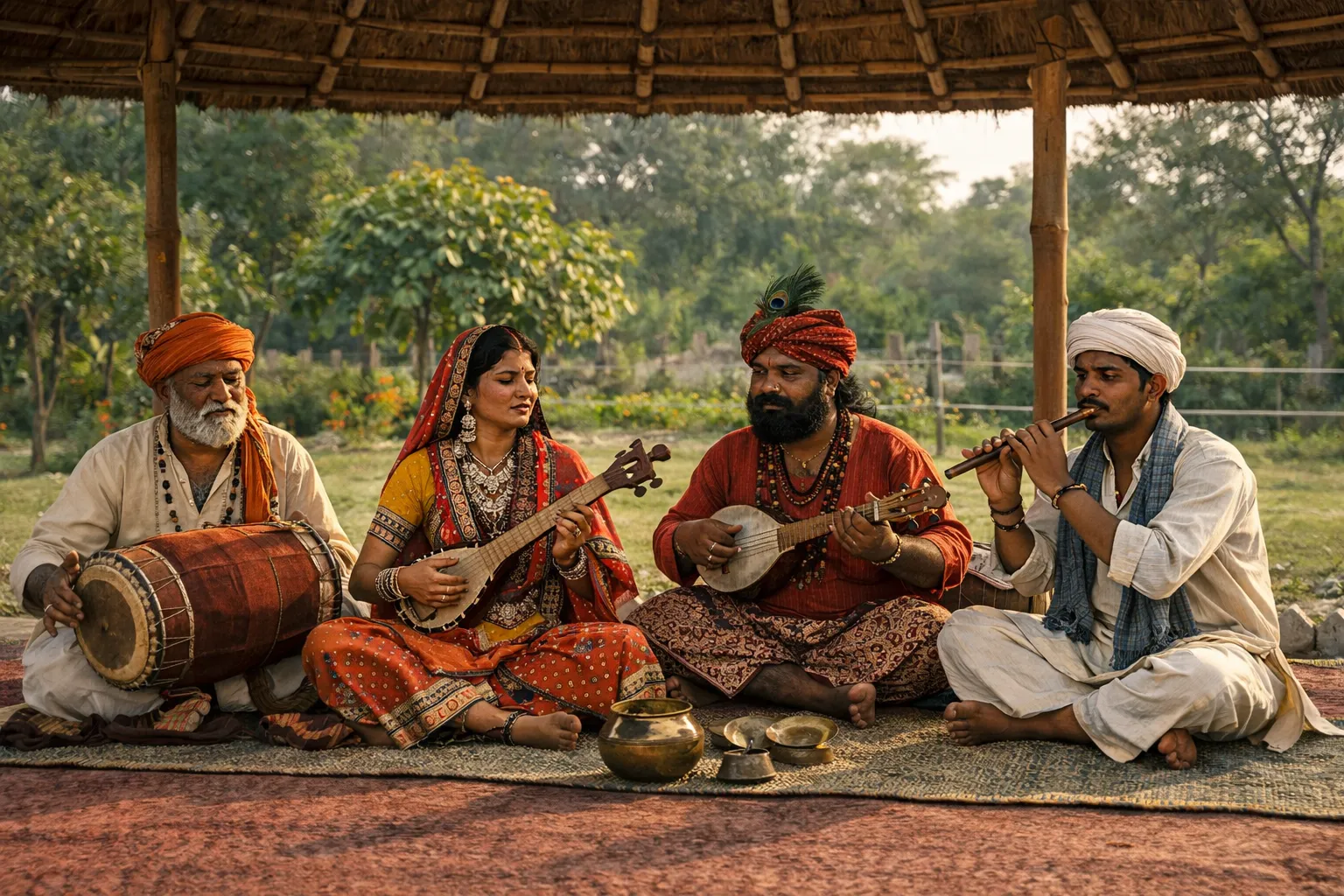
My Naani (grandmother) was a walking library of songs. She sang while cooking, during her daily puja, during festivals—there was a song for everything. At my wedding, her singing became a talking point among my friends and in-laws. Her voice carried stories I didn't always understand as a child, but the melodies stayed with me.
When she passed away, I realised something devastating: an entire universe of songs had gone quiet. All those sanskar geet—the ritual songs passed down through generations—had left with her.
That loss hit me hard. When elders like her pass away, they take with them centuries of oral tradition—songs that were never written down, melodies that lived only in memory. I began wondering how many grandmothers, aunts, and great-aunts across India are carrying these same treasures—and how much we are losing, one generation at a time.
When the Songs Weren't There
A few months later, I attended a family wedding. Traditionally, Maithili weddings are filled with women singing together—specific songs for every ritual, every moment. That day, though, hardly anyone knew the songs. A few aunties tried to remember the words, fumbling through half-forgotten verses. Others simply hummed along, uncertain.
Later, I tried looking up the lyrics of a Maithili song online. I found nothing. I played an audio recording on repeat, pausing every few seconds, writing the words down by hand. These songs are disappearing from everyday life, and there's no easy way to find them, learn them, or pass them on.
The YouTube Paradox
Here's the strange thing: Maithili folk music is actually doing quite well on YouTube. Some singers have hundreds of thousands of views. So it's clear that people want to sing and learn. But unfortunately, many popular versions were set to synthetic music tracks or sung in a highly classical, formal style. They were beautiful—but not quite right for collective singing. They weren't the voices I remembered from my childhood: women singing together in courtyards, the ubiquitous song notebooks everyone had. That singing was collective—participation mattered more than perfection. Some women sang beautifully, some were average—but voices supported each other. When one paused for breath, another carried the tune forward. I often felt this was also a metaphor for how women support each other—holding the song together, even when one voice falters.
The platform amplifies one version of folk music, while another—the participatory, communal one—is quietly fading away. Like most algorithm-driven platforms, YouTube tends to favour what's already popular, polished, and production-heavy.
It's Not Just Mithila
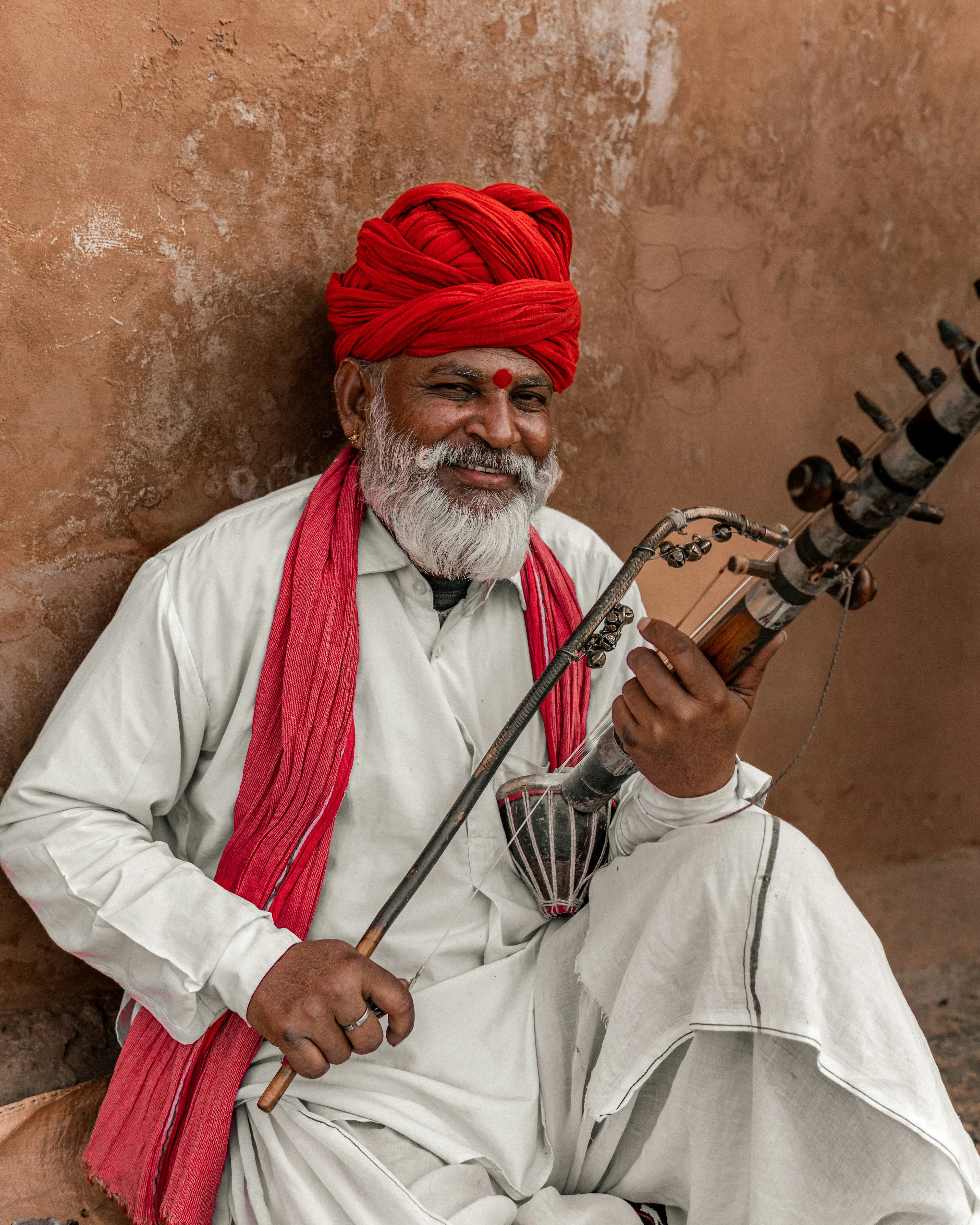
As I spoke to friends from Uttar Pradesh, Himachal, and Rajasthan, the pattern repeated. Traditional songs slipping away. Younger generations disconnected. Regional languages and dialects under pressure.
Across India, we're losing not just songs, but the stories they carry, the sense of belonging they create, the identities they quietly hold together. Folk music is often described as a mirror of community life—reflecting joy and celebration, while also revealing how societal values, norms, and power dynamics are enforced and negotiated. When these songs disappear, we lose more than melodies—we lose ways of understanding ourselves.
Khamaaj
As I started researching Maithili folk music, I kept wishing for a place where I could look up a wedding song, a lullaby, a harvest song—and actually find it. A place where songs came with accurate lyrics, authentic recordings, and the context that makes them meaningful.
I realised how layered this music is. There are sanskar geet sung by women during rituals. There are lok gatha—powerful narrative songs from Dalit communities that tell the stories of local heroes who become folk deities. There are work songs, devotional songs, songs of separation and celebration—each with its own musical form, social role, and history.
I'm building a space where songs in many languages and dialects can coexist. Where authentic voices matter more than polished production. Where scholars, musicians, elders, and ordinary listeners can all contribute what they know.
Thousands of songs across multiple languages. But more than numbers, I hope Khamaaj sparks curiosity—a desire to ask where we come from, pride in our diversity, and a renewed relationship with living traditions.
Why It Matters Now
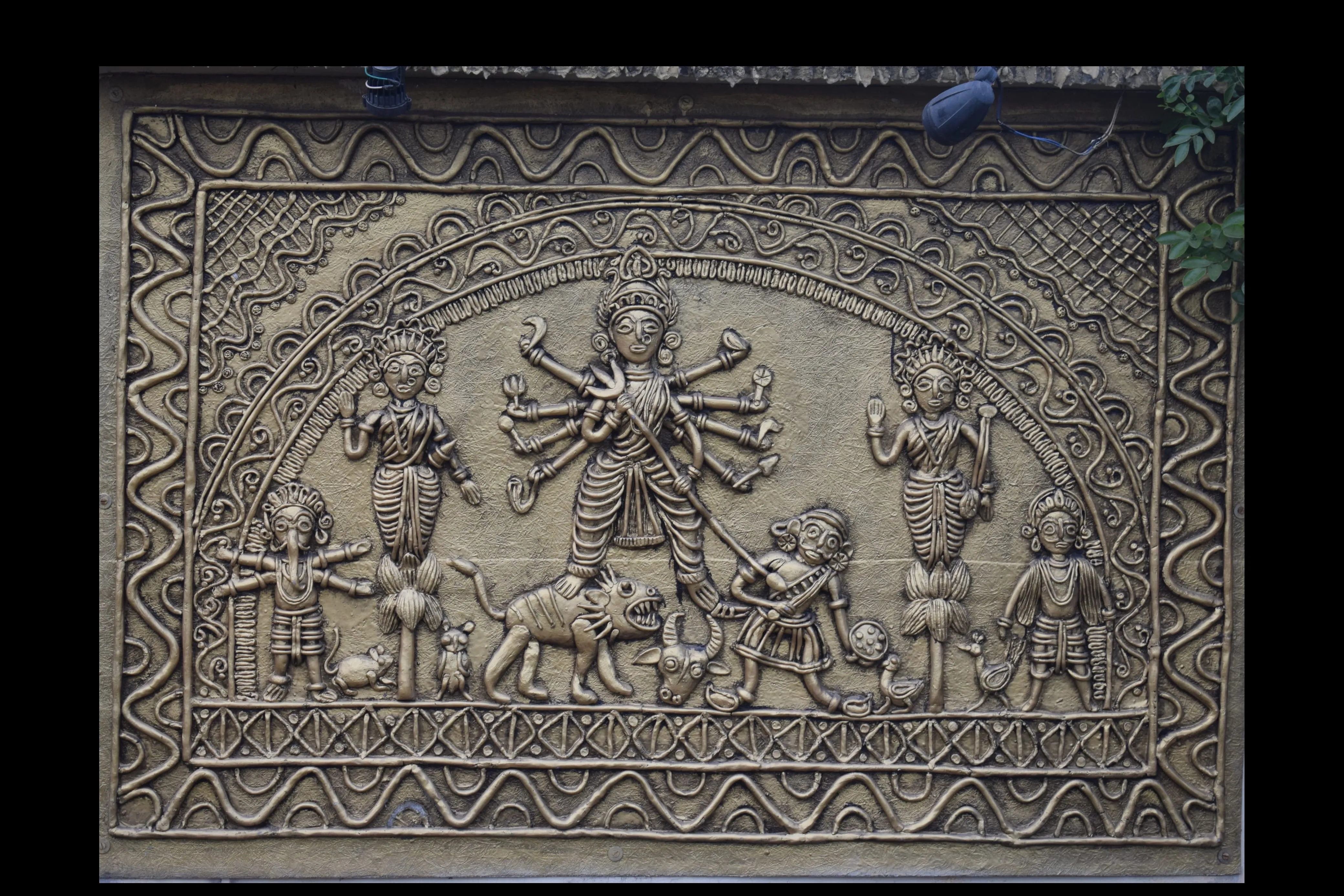
Folk music doesn't survive in isolation. It survives through singing—through listening, remembering, and passing on. When songs sit forgotten in archives or buried under algorithms, they slowly disappear. They need to remain part of everyday life—heard at weddings, festivals, and family gatherings.
Digital presence matters deeply—not just for preservation, but because this is where people engage with culture now. Song books and analog recordings exist, but without a digital presence, these songs can't reach new listeners or be passed on to younger generations.
There's another urgency: folk music is alive and constantly evolving, reflecting the times and communities that sing it. Recording these songs now captures a specific moment—a particular form, interpretation, and social context. Even a short delay means losing this version forever. Over time, the journey of how forms and lyrics change tells us the history of a people.
Algorithm-driven platforms tend to favour what is already popular. Diverse, local, unpolished traditions are easily overshadowed. Khamaaj is an attempt to hold space for that diversity—to ensure that a Dalit gatha singer from a small village is as visible as a well-known classical artist.
The Road Ahead
Khamaaj can't be just my project. Folk music is collective heritage.
I hope it becomes a space where someone can share a song their grandmother used to sing. Where researchers contribute field recordings. Where musicians discover new material. Where children in the diaspora find a way back to their roots.
This is ambitious work. There are technical challenges, funding questions, and the sheer scale of documenting India's folk traditions. But whenever it feels overwhelming, I remember those women at the wedding, searching for words they once knew—and all the songs still being sung today, alive, fragile, and at risk of being lost.
That's why Khamaaj matters to me.
Because folk music isn't really about the past. It's about continuity—remembering where we come from while staying connected to who we are. And maybe, just maybe, about giving the next generation something to sing.