Sunrise light refelcting off beautiful traditional red stone columns

About Us

Khamaaj listens to, documents, and shares India’s folk music as it is lived and sung—in community voices, everyday rituals, and memories passed down through generations.

Sunrise light refelcting off beautiful traditional red stone columns

About Us

Khamaaj listens to, documents, and shares India’s folk music as it is lived and sung—in community voices, everyday rituals, and memories passed down through generations.

Who We Are

Khamaaj was born out of a simple wish:

To keep the soul of folk music alive - not in dusty archives,
but in everyday playlists,
late-night humming,
and jam sessions with friends.

To keep the soul of folk music alive - not in dusty archives, but in everyday playlists, late-night humming, and jam sessions with friends.

To keep the soul of folk music alive - not in dusty archives, but in everyday playlists, late-night humming, and jam sessions with friends.

We're building a digital home for India’s incredibly rich repertoire of folk music — recording songs, transcribing lyrics, and sharing them with the world in a way that’s fun, easy, and respectful.

We’re especially passionate about capturing these songs in their authentic voices and giving space to those that often go unheard. And to help you make sense of it all, we’re organising the songs by regions, themes, and occasions/rituals — so you know what’s sung at a wedding, at harvest, or while rocking a baby to sleep.

It’s folk music, with all its beautiful context, right at your fingertips.

We're building a digital home for India’s incredibly rich repertoire of folk music — recording songs, transcribing lyrics, and sharing them with the world in a way that’s fun, easy, and respectful.

We’re especially passionate about capturing these songs in their authentic voices and giving space to those that often go unheard. And to help you make sense of it all, we’re organising the songs by regions, themes, and occasions/rituals — so you know what’s sung at a wedding, at harvest, or while rocking a baby to sleep.

It’s folk music, with all its beautiful context, right at your fingertips.

We're building a digital home for India’s incredibly rich repertoire of folk music — recording songs, transcribing lyrics, and sharing them with the world in a way that’s fun, easy, and respectful.

We’re especially passionate about capturing these songs in their authentic voices and giving space to those that often go unheard. And to help you make sense of it all, we’re organising the songs by regions, themes, and occasions/rituals — so you know what’s sung at a wedding, at harvest, or while rocking a baby to sleep.

It’s folk music, with all its beautiful context, right at your fingertips.

The Essence of Khamaaj

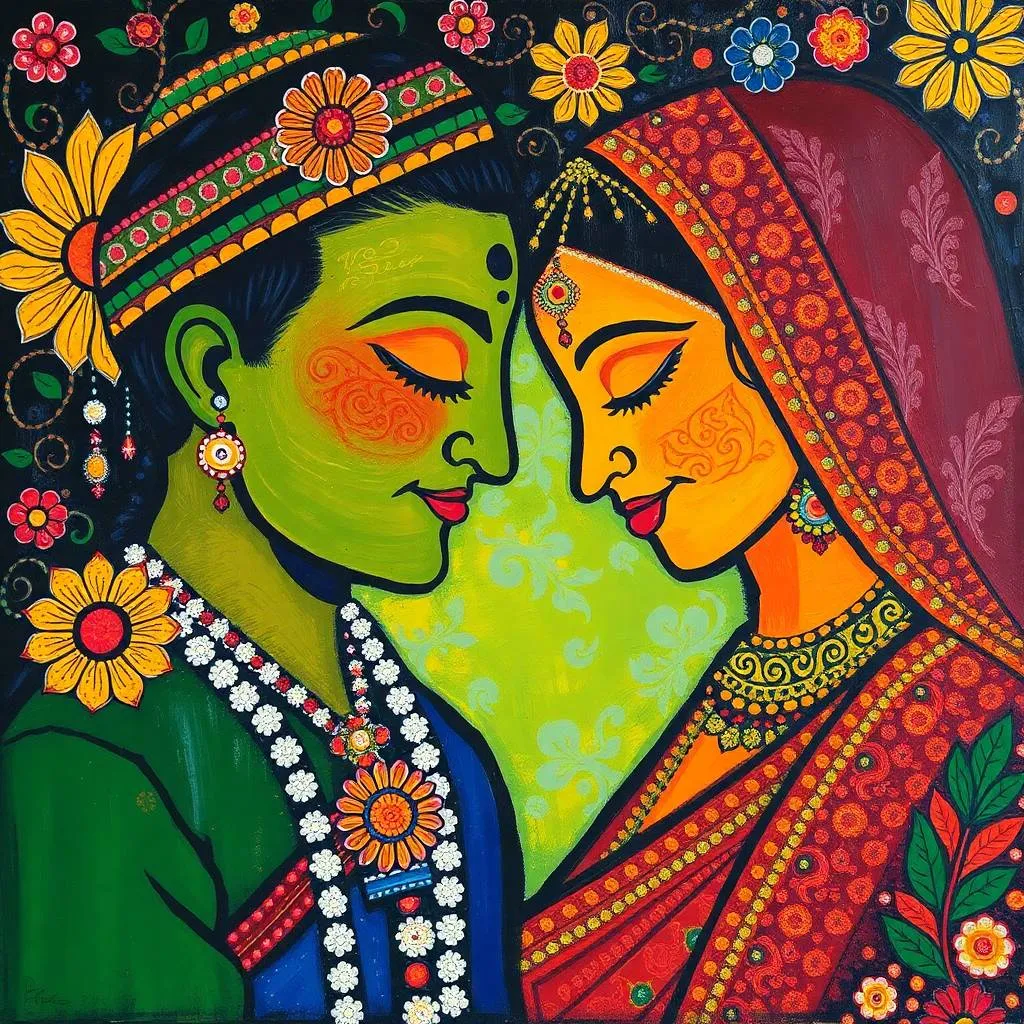
Mithila Painting of two people contently leaning on each other's heads

In Hindustani classical music, Khamaaj is not merely a raga - it is one of the foundational thaats or melodic frameworks from which numerous melodious ragas have emerged. Many beloved ragas such as Desh, Jhinjhoti, Tilak Kamod, and Khamaaj itself-all originate from this very thaat.


Khamaaj is sometimes also called a khsudra prakriti (lighter nature) raag. Unlike the "difficult" ragas reserved for dhrupad and khayal, kshudra ragas are earthy, intimate, and deeply expressive. It is the raga of sublime thumris, earthy folksongs and soulful bhajans.


Our organization mirrors Khamaaj itself - warm and inclusive, rooted yet embracing. Here, a mother's lullaby sits alongside a worker's song, a woman's song of separation flows into a wandering mystic's worship of the formless. Every voice, every melody has a home here.

In Hindustani classical music, Khamaaj is not merely a raga - it is one of the foundational thaats or melodic frameworks from which numerous melodious ragas have emerged. Many beloved ragas such as Desh, Jhinjhoti, Tilak Kamod, and Khamaaj itself-all originate from this very thaat.


Khamaaj is sometimes also called a khsudra prakriti (lighter nature) raag. Unlike the "difficult" ragas reserved for dhrupad and khayal, kshudra ragas are earthy, intimate, and deeply expressive. It is the raga of sublime thumris, earthy folksongs and soulful bhajans.


Our organization mirrors Khamaaj itself - warm and inclusive, rooted yet embracing. Here, a mother's lullaby sits alongside a worker's song, a woman's song of separation flows into a wandering mystic's worship of the formless. Every voice, every melody has a home here.

Music gives form to those unreachable emotions we cannot express, and gives voice to those truths that society tries to silence.

Folk songs are the very medium through which communities preserve their narratives and individuals find their soul's voice. Through Khamaaj, we wish to nurture this cultural heritage - in every song, every story, every voice.

Honouring Complexity
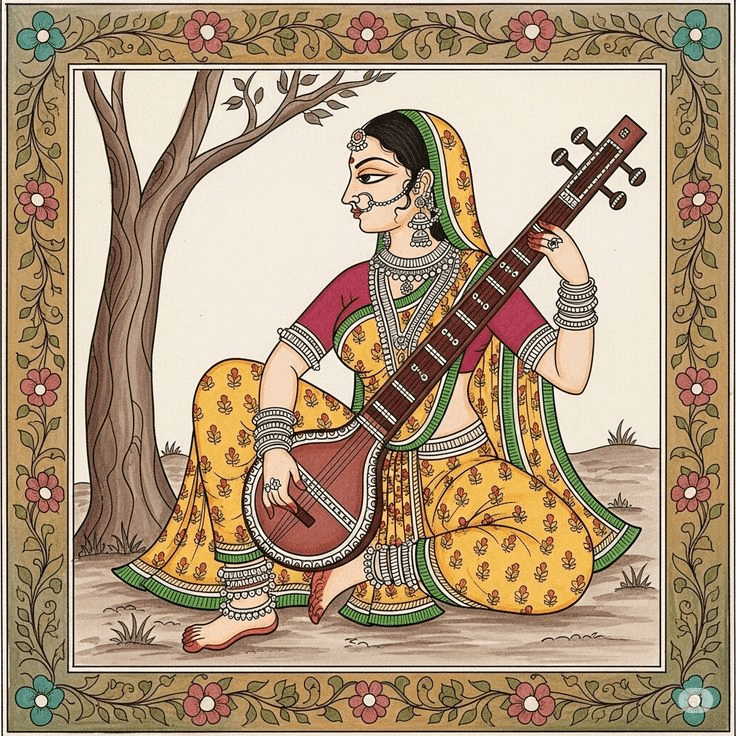
Mithila Style painting of a woman dressed traditionally and playing a music instrument in nature

We are mindful that folk art and traditions, while rich and evocative, also reflect the social realities of their time - sometimes including gender stereotypes, marginalisation, and systemic inequalities. These songs often carry within them the joys, sorrows, and silences of generations—and sometimes, the voices that are missing speak the loudest.


At Khamaaj, our role is to document these songs as they are, without judgement or alteration, honouring their authenticity and context. At the same time,

We are mindful that folk art and traditions, while rich and evocative, also reflect the social realities of their time - sometimes including gender stereotypes, marginalisation, and systemic inequalities. These songs often carry within them the joys, sorrows, and silences of generations—and sometimes, the voices that are missing speak the loudest. At Khamaaj, our role is to document these songs as they are, without judgement or alteration, honouring their authenticity and context. At the same time,

We are committed to amplifying the voices that have long gone unheard

— ensuring that the underrepresented and unacknowledged find space, visibility, and stage. We believe it's important to present these complexities with honesty and respect.

Our Process

Each song we share is the result of careful listening, research, and community engagement.

Indian folk singer playing harmonium as accompaniment to folk singing

Our People

Khamaaj is powered by a passionate team of musicians, researchers, designers, and cultural enthusiasts. We work at the intersection of art, technology, and community.
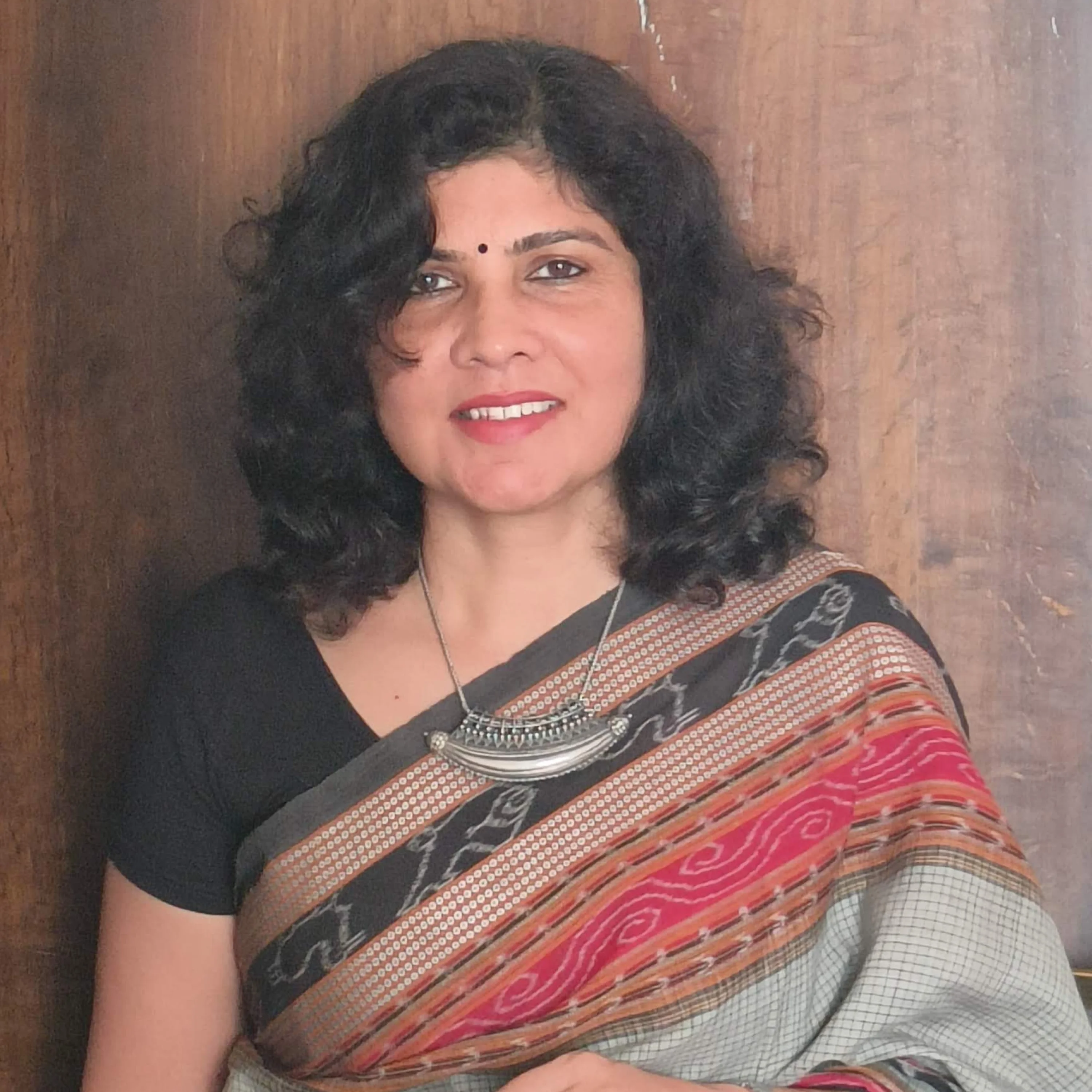
Photo of Geetanjali Jha Chakraborty who is the Founder of Khamaaj

Geetanjali Jha Chakraborty

Geetanjali Jha Chakraborty

Founder & Creative Lead

Founder & Creative Lead

Geetanjali envisions Khamaaj as a living archive that brings together songs, rituals, and stories—amplifying the voices of women and marginalised communities to ensure their musical heritage is documented, shared, and celebrated. With over two decades of leadership in the social sector, Geetanjali has guided organisations through significant growth and transformation. She has expanded the reach and impact of programmes at CHILDLINE India Foundation and at ARMMAN, a public health organisation. Her work spans poverty alleviation, health, education, disability inclusion, and child protection. Geetanjali currently serves on the boards of Apnalaya, Vihaan and Missing Link Trust, and TNS India Foundation. Geetanjali has an MA in Social Work and an LL.M. in Human Rights, and also holds a certificate in Music Therapy. Geetanjali grew up with the folk traditions of Mithila and also trained in Rabindra Sangeet. Through Khamaaj, she brings together her deep personal connection to music with her lifelong commitment to equity, inclusion, and cultural preservation.Jha Chakraborty is the Founder of Khamaaj, where she is shaping a vibrant digital platform to preserve and celebrate India's folk music. She envisions Khamaaj as a living archive that brings together songs, rituals, and stories—amplifying the voices of women and marginalised communities to ensure their musical heritage is documented, shared, and celebrated.With over two decades of leadership in the social sector, Geetanjali has guided organisations through phases of significant growth and transition. She has expanded the reach and capacity of programmes at CHILDLINE India Foundation, India's pioneering child protection service, and at ARMMAN, a public health organisation committed to improving maternal and child health across the country. Her work spans poverty alleviation, health, education, disability inclusion, and child protection.She currently serves on the boards of Apnalaya (urban poverty alleviation), Vihaan and Missing Link Trust (anti-trafficking), and TNS India Foundation (youth upskilling). She helps mission-driven organisations design programmes, plan for growth, and build safe and inclusive work environments.Geetanjali has an MA in Social Work and an LL.M. in Human Rights, and also holds a certificate in Music Therapy. Geetanjali grew up with the folk traditions of Mithila and also trained in Rabindra Sangeet. Through Khamaaj, she brings together her deep personal connection to music with her lifelong commitment to equity, inclusion, and cultural preservation.

Read More
Geetanjali envisions Khamaaj as a living archive that brings together songs, rituals, and stories—amplifying the voices of women and marginalised communities to ensure their musical heritage is documented, shared, and celebrated. With over two decades of leadership in the social sector, Geetanjali has guided organisations through significant growth and transformation. She has expanded the reach and impact of programmes at CHILDLINE India Foundation and at ARMMAN, a public health organisation. Her work spans poverty alleviation, health, education, disability inclusion, and child protection. Geetanjali currently serves on the boards of Apnalaya, Vihaan and Missing Link Trust, and TNS India Foundation. Geetanjali has an MA in Social Work and an LL.M. in Human Rights, and also holds a certificate in Music Therapy. Geetanjali grew up with the folk traditions of Mithila and also trained in Rabindra Sangeet. Through Khamaaj, she brings together her deep personal connection to music with her lifelong commitment to equity, inclusion, and cultural preservation.Jha Chakraborty is the Founder of Khamaaj, where she is shaping a vibrant digital platform to preserve and celebrate India's folk music. She envisions Khamaaj as a living archive that brings together songs, rituals, and stories—amplifying the voices of women and marginalised communities to ensure their musical heritage is documented, shared, and celebrated.With over two decades of leadership in the social sector, Geetanjali has guided organisations through phases of significant growth and transition. She has expanded the reach and capacity of programmes at CHILDLINE India Foundation, India's pioneering child protection service, and at ARMMAN, a public health organisation committed to improving maternal and child health across the country. Her work spans poverty alleviation, health, education, disability inclusion, and child protection.She currently serves on the boards of Apnalaya (urban poverty alleviation), Vihaan and Missing Link Trust (anti-trafficking), and TNS India Foundation (youth upskilling). She helps mission-driven organisations design programmes, plan for growth, and build safe and inclusive work environments.Geetanjali has an MA in Social Work and an LL.M. in Human Rights, and also holds a certificate in Music Therapy. Geetanjali grew up with the folk traditions of Mithila and also trained in Rabindra Sangeet. Through Khamaaj, she brings together her deep personal connection to music with her lifelong commitment to equity, inclusion, and cultural preservation.

Read More

Geetanjali envisions Khamaaj as a living archive that brings together songs, rituals, and stories—amplifying the voices of women and marginalised communities to ensure their musical heritage is documented, shared, and celebrated. With over two decades of leadership in the social sector, Geetanjali has guided organisations through significant growth and transformation. She has expanded the reach and impact of programmes at CHILDLINE India Foundation and at ARMMAN, a public health organisation. Her work spans poverty alleviation, health, education, disability inclusion, and child protection. Geetanjali currently serves on the boards of Apnalaya, Vihaan and Missing Link Trust, and TNS India Foundation. Geetanjali has an MA in Social Work and an LL.M. in Human Rights, and also holds a certificate in Music Therapy. Geetanjali grew up with the folk traditions of Mithila and also trained in Rabindra Sangeet. Through Khamaaj, she brings together her deep personal connection to music with her lifelong commitment to equity, inclusion, and cultural preservation.Jha Chakraborty is the Founder of Khamaaj, where she is shaping a vibrant digital platform to preserve and celebrate India's folk music. She envisions Khamaaj as a living archive that brings together songs, rituals, and stories—amplifying the voices of women and marginalised communities to ensure their musical heritage is documented, shared, and celebrated.With over two decades of leadership in the social sector, Geetanjali has guided organisations through phases of significant growth and transition. She has expanded the reach and capacity of programmes at CHILDLINE India Foundation, India's pioneering child protection service, and at ARMMAN, a public health organisation committed to improving maternal and child health across the country. Her work spans poverty alleviation, health, education, disability inclusion, and child protection.She currently serves on the boards of Apnalaya (urban poverty alleviation), Vihaan and Missing Link Trust (anti-trafficking), and TNS India Foundation (youth upskilling). She helps mission-driven organisations design programmes, plan for growth, and build safe and inclusive work environments.Geetanjali has an MA in Social Work and an LL.M. in Human Rights, and also holds a certificate in Music Therapy. Geetanjali grew up with the folk traditions of Mithila and also trained in Rabindra Sangeet. Through Khamaaj, she brings together her deep personal connection to music with her lifelong commitment to equity, inclusion, and cultural preservation.

Read More

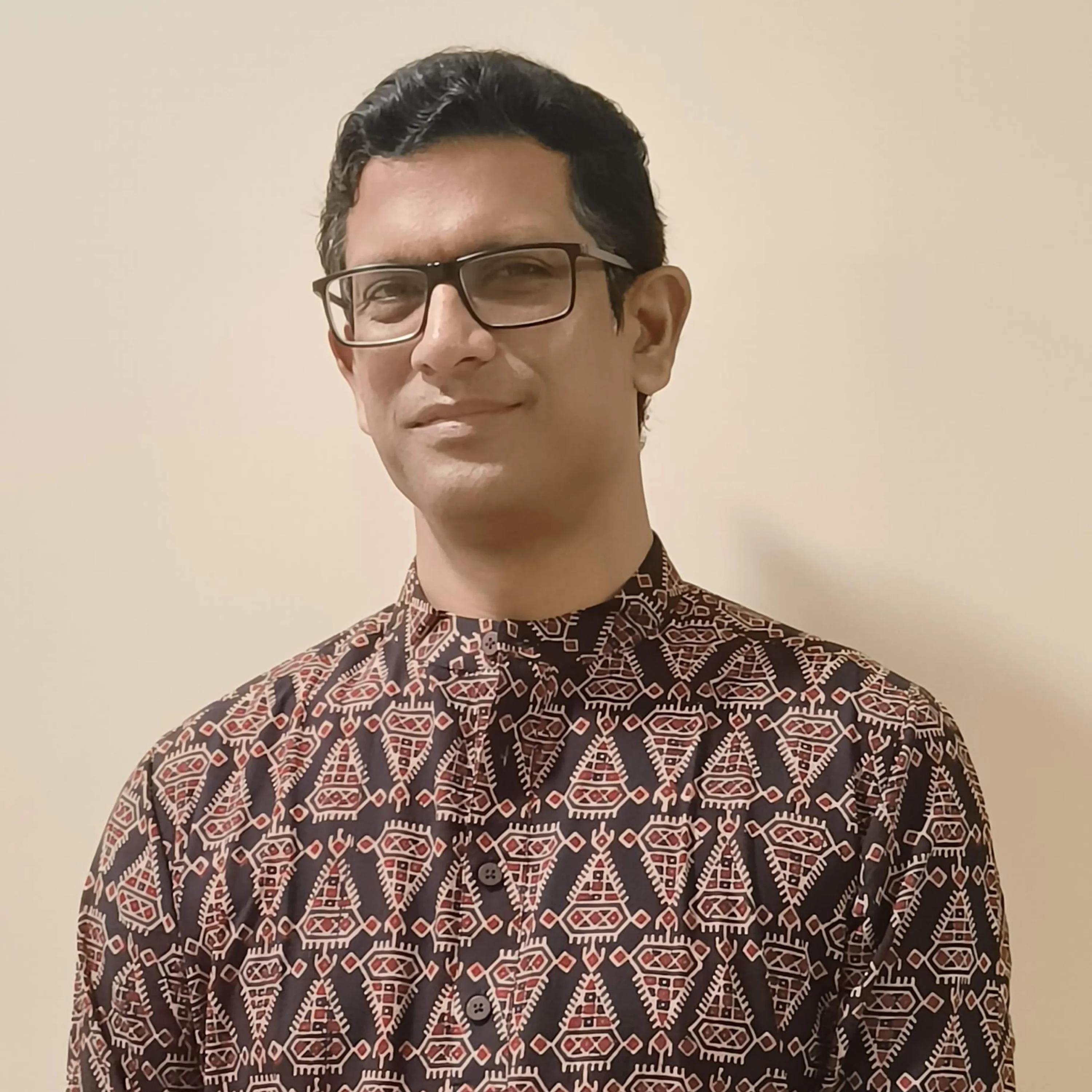
Photo of Sanchayan Chakraborty, Co founder of Khamaaj

Sanchayan Chakraborty

Sanchayan Chakraborty

Sanchayan
Chakraborty

Co founder

Co founder

Sanchayan has been a music enthusiast since his college band days, with eclectic musical influences spanning Indian Folk, Hindustani classical, Rabindra Sangeet and Classic Rock. Khamaaj offers Sanchayan a platform to bridge his lifelong passion for music with an interest in building socially impactful enterprises. Sanchayan crafts the vision and direction of Khamaaj through a strategic lens, helping it navigate the complexities of products, markets and finance. With his professional background in investment banking and venture capital, Sanchayan seeks to ensure that the foundation of Khamaaj is built on a foundation as sound as the music it seeks to protect.co-founded Khamaaj to bridge his lifelong passion for music with an interest in building socially impactful enterprises. A music enthusiast since his college band days, he draws on eclectic musical influences spanning classic rock, Indian classical, Rabindra Sangeet and folk. Sanchayan shapes Khamaaj through a strategic lens, helping it navigate the complexities of products, markets and finance. As a Partner at a leading global impact investing firm, Sanchayan seeks to use his expertise in corporate strategy and financial markets to invest in and help build early stage ventures which positively affect the lives of the low income populations. His tenure on numerous startup boards has honed his ability to guide founders through complex growth challenges, from capital strategy to operational excellence. Prior to his current role, he has spent a couple of decades working for global investment banks in India and the Middle East. An alumnus of IIM Bangalore and IIT Kharagpur, Sanchayan seeks to ensure that the foundation of Khamaaj is built on a foundation as sound as the music it seeks to protect.

Read More

Sanchayan has been a music enthusiast since his college band days, with eclectic musical influences spanning Indian Folk, Hindustani classical, Rabindra Sangeet and Classic Rock. Khamaaj offers Sanchayan a platform to bridge his lifelong passion for music with an interest in building socially impactful enterprises. Sanchayan crafts the vision and direction of Khamaaj through a strategic lens, helping it navigate the complexities of products, markets and finance. With his professional background in investment banking and venture capital, Sanchayan seeks to ensure that the foundation of Khamaaj is built on a foundation as sound as the music it seeks to protect.co-founded Khamaaj to bridge his lifelong passion for music with an interest in building socially impactful enterprises. A music enthusiast since his college band days, he draws on eclectic musical influences spanning classic rock, Indian classical, Rabindra Sangeet and folk. Sanchayan shapes Khamaaj through a strategic lens, helping it navigate the complexities of products, markets and finance. As a Partner at a leading global impact investing firm, Sanchayan seeks to use his expertise in corporate strategy and financial markets to invest in and help build early stage ventures which positively affect the lives of the low income populations. His tenure on numerous startup boards has honed his ability to guide founders through complex growth challenges, from capital strategy to operational excellence. Prior to his current role, he has spent a couple of decades working for global investment banks in India and the Middle East. An alumnus of IIM Bangalore and IIT Kharagpur, Sanchayan seeks to ensure that the foundation of Khamaaj is built on a foundation as sound as the music it seeks to protect.

Read More

Sanchayan has been a music enthusiast since his college band days, with eclectic musical influences spanning Indian Folk, Hindustani classical, Rabindra Sangeet and Classic Rock. Khamaaj offers Sanchayan a platform to bridge his lifelong passion for music with an interest in building socially impactful enterprises. Sanchayan crafts the vision and direction of Khamaaj through a strategic lens, helping it navigate the complexities of products, markets and finance. With his professional background in investment banking and venture capital, Sanchayan seeks to ensure that the foundation of Khamaaj is built on a foundation as sound as the music it seeks to protect.co-founded Khamaaj to bridge his lifelong passion for music with an interest in building socially impactful enterprises. A music enthusiast since his college band days, he draws on eclectic musical influences spanning classic rock, Indian classical, Rabindra Sangeet and folk. Sanchayan shapes Khamaaj through a strategic lens, helping it navigate the complexities of products, markets and finance. As a Partner at a leading global impact investing firm, Sanchayan seeks to use his expertise in corporate strategy and financial markets to invest in and help build early stage ventures which positively affect the lives of the low income populations. His tenure on numerous startup boards has honed his ability to guide founders through complex growth challenges, from capital strategy to operational excellence. Prior to his current role, he has spent a couple of decades working for global investment banks in India and the Middle East. An alumnus of IIM Bangalore and IIT Kharagpur, Sanchayan seeks to ensure that the foundation of Khamaaj is built on a foundation as sound as the music it seeks to protect.

Read More

Advisors

We are guided by a group of experts in folk music, linguistics, cultural history, and archiving. Their support ensures that we stay grounded, accurate, and respectful.
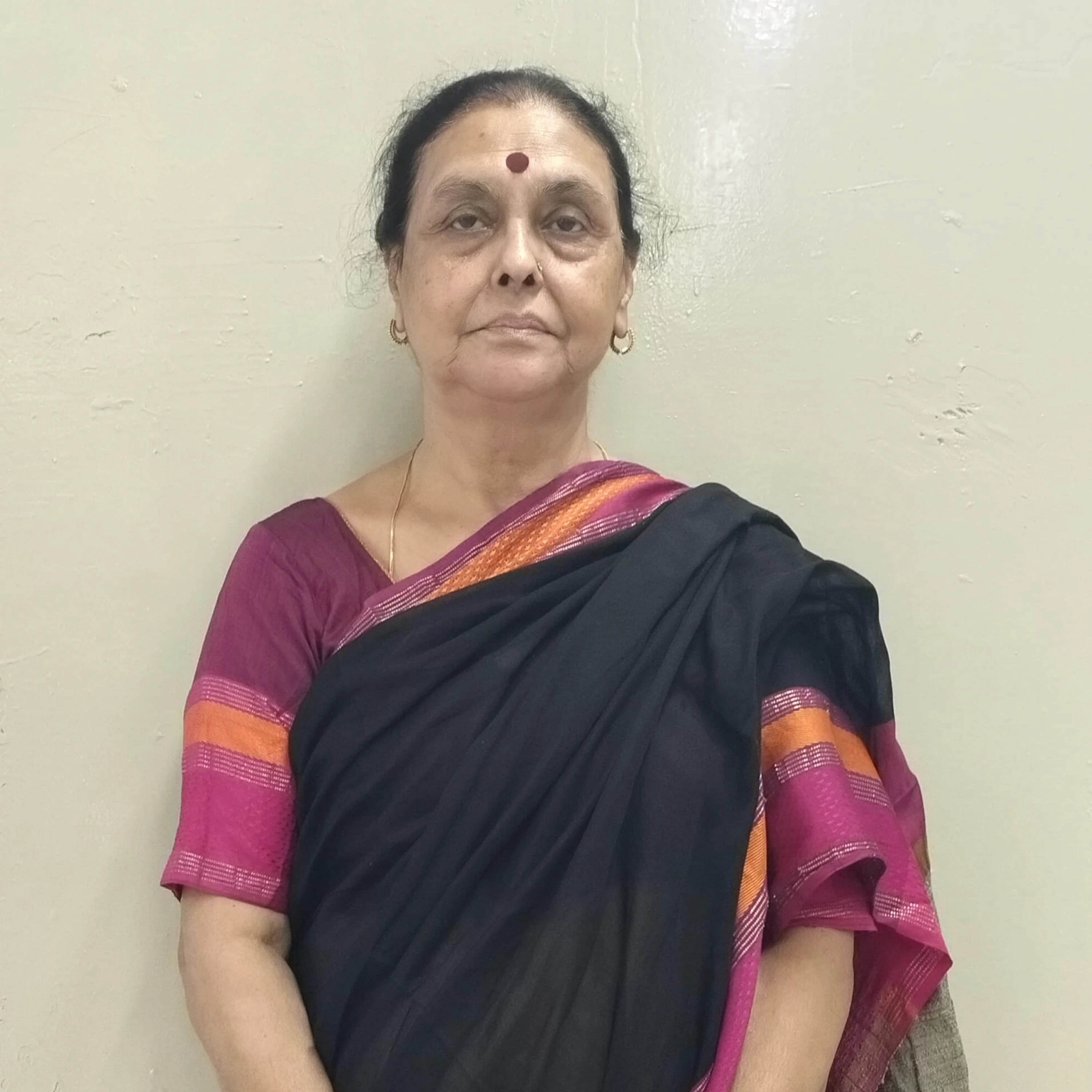
Photo of Dr. Bina Thakur, advisor for Khamaaj and contemporary writers of Maithili literature

Dr. Bina Thakur

Dr. Bina Thakur

Dr. Bina Thakur is among the foremost contemporary writers of Maithili literature. Her short story collection Parinita earned her the Sahitya Akademi Award in 2018. Through her works, she portrays feminine experience, social realities, and the cultural landscape of Mithila with deep sensitivity and a natural, lyrical language. Born on March 19, 1954, in Bhawanipur village of Madhubani district, Dr. Thakur is the daughter of the eminent educationist Prof. Shrimohan Thakur. She served as Professor and Head of the Department of Maithili at Lalit Narayan Mithila University, Darbhanga, where she mentored generations of students and researchers. She currently serves as a Member of the General Council of the Sahitya Akademi. She is also Convenor for Maithili Language at Bhartiya Jnanpith and Convenor of the Bhasa Samiti for Saraswati Samman at the K. K. Birla Foundation. Over the past decade, she has been associated with Sahitya Akademi, Delhi in various capacities, including as Convenor and Board Member. She has also served on the Editorial Committee for Maithili Language in the Bharat Vani Project of the Ministry of Education (formerly HRD). To date, Dr. Thakur has authored, edited, and critiqued 31 books. Her major works include the novel Bharati; short story collections Aalap and Parinita; and critical studies such as Maithili Ramkavyak Parampara, Vidypatik Uts, Itihas Darpan, Vaanini, and Maithili Geet-Sahityak Vikas o Parampara. In her editorial capacity, she has brought out 17 publications including Vidypati Geet Ratnavali, Maithili Prabandh Kavyak Udbhav o Vikas, and the research journal Maithili. She has also translated works from Hindi into Maithili, including Haat-Bazaar and Aadhunik Bharatiya Kavita Sanchayan. Her contributions have been recognized with numerous prestigious awards, including the Nagarjun Award for her book Bharati, Aparajita Samman, Maithili Punarjagaran Prakash Lekhakiya Samman, Mithila Bibhuti Samman, Pandit Chanda Jha Rashtriya Shikhar Sahitya Samman, Jagran Shiksha Samman and many more. Dr. Thakur's writing seamlessly blends academic rigor with poetic expression and human empathy. Through her creative and critical works, she continues to give new vitality and recognition to the literary and cultural heritage of Mithila.

Read More
Dr. Bina Thakur is among the foremost contemporary writers of Maithili literature. Her short story collection Parinita earned her the Sahitya Akademi Award in 2018. Through her works, she portrays feminine experience, social realities, and the cultural landscape of Mithila with deep sensitivity and a natural, lyrical language. Born on March 19, 1954, in Bhawanipur village of Madhubani district, Dr. Thakur is the daughter of the eminent educationist Prof. Shrimohan Thakur. She served as Professor and Head of the Department of Maithili at Lalit Narayan Mithila University, Darbhanga, where she mentored generations of students and researchers. She currently serves as a Member of the General Council of the Sahitya Akademi. She is also Convenor for Maithili Language at Bhartiya Jnanpith and Convenor of the Bhasa Samiti for Saraswati Samman at the K. K. Birla Foundation. Over the past decade, she has been associated with Sahitya Akademi, Delhi in various capacities, including as Convenor and Board Member. She has also served on the Editorial Committee for Maithili Language in the Bharat Vani Project of the Ministry of Education (formerly HRD). To date, Dr. Thakur has authored, edited, and critiqued 31 books. Her major works include the novel Bharati; short story collections Aalap and Parinita; and critical studies such as Maithili Ramkavyak Parampara, Vidypatik Uts, Itihas Darpan, Vaanini, and Maithili Geet-Sahityak Vikas o Parampara. In her editorial capacity, she has brought out 17 publications including Vidypati Geet Ratnavali, Maithili Prabandh Kavyak Udbhav o Vikas, and the research journal Maithili. She has also translated works from Hindi into Maithili, including Haat-Bazaar and Aadhunik Bharatiya Kavita Sanchayan. Her contributions have been recognized with numerous prestigious awards, including the Nagarjun Award for her book Bharati, Aparajita Samman, Maithili Punarjagaran Prakash Lekhakiya Samman, Mithila Bibhuti Samman, Pandit Chanda Jha Rashtriya Shikhar Sahitya Samman, Jagran Shiksha Samman and many more. Dr. Thakur's writing seamlessly blends academic rigor with poetic expression and human empathy. Through her creative and critical works, she continues to give new vitality and recognition to the literary and cultural heritage of Mithila.

Read More

Dr. Bina Thakur is among the foremost contemporary writers of Maithili literature. Her short story collection Parinita earned her the Sahitya Akademi Award in 2018. Through her works, she portrays feminine experience, social realities, and the cultural landscape of Mithila with deep sensitivity and a natural, lyrical language. Born on March 19, 1954, in Bhawanipur village of Madhubani district, Dr. Thakur is the daughter of the eminent educationist Prof. Shrimohan Thakur. She served as Professor and Head of the Department of Maithili at Lalit Narayan Mithila University, Darbhanga, where she mentored generations of students and researchers. She currently serves as a Member of the General Council of the Sahitya Akademi. She is also Convenor for Maithili Language at Bhartiya Jnanpith and Convenor of the Bhasa Samiti for Saraswati Samman at the K. K. Birla Foundation. Over the past decade, she has been associated with Sahitya Akademi, Delhi in various capacities, including as Convenor and Board Member. She has also served on the Editorial Committee for Maithili Language in the Bharat Vani Project of the Ministry of Education (formerly HRD). To date, Dr. Thakur has authored, edited, and critiqued 31 books. Her major works include the novel Bharati; short story collections Aalap and Parinita; and critical studies such as Maithili Ramkavyak Parampara, Vidypatik Uts, Itihas Darpan, Vaanini, and Maithili Geet-Sahityak Vikas o Parampara. In her editorial capacity, she has brought out 17 publications including Vidypati Geet Ratnavali, Maithili Prabandh Kavyak Udbhav o Vikas, and the research journal Maithili. She has also translated works from Hindi into Maithili, including Haat-Bazaar and Aadhunik Bharatiya Kavita Sanchayan. Her contributions have been recognized with numerous prestigious awards, including the Nagarjun Award for her book Bharati, Aparajita Samman, Maithili Punarjagaran Prakash Lekhakiya Samman, Mithila Bibhuti Samman, Pandit Chanda Jha Rashtriya Shikhar Sahitya Samman, Jagran Shiksha Samman and many more. Dr. Thakur's writing seamlessly blends academic rigor with poetic expression and human empathy. Through her creative and critical works, she continues to give new vitality and recognition to the literary and cultural heritage of Mithila.

Read More

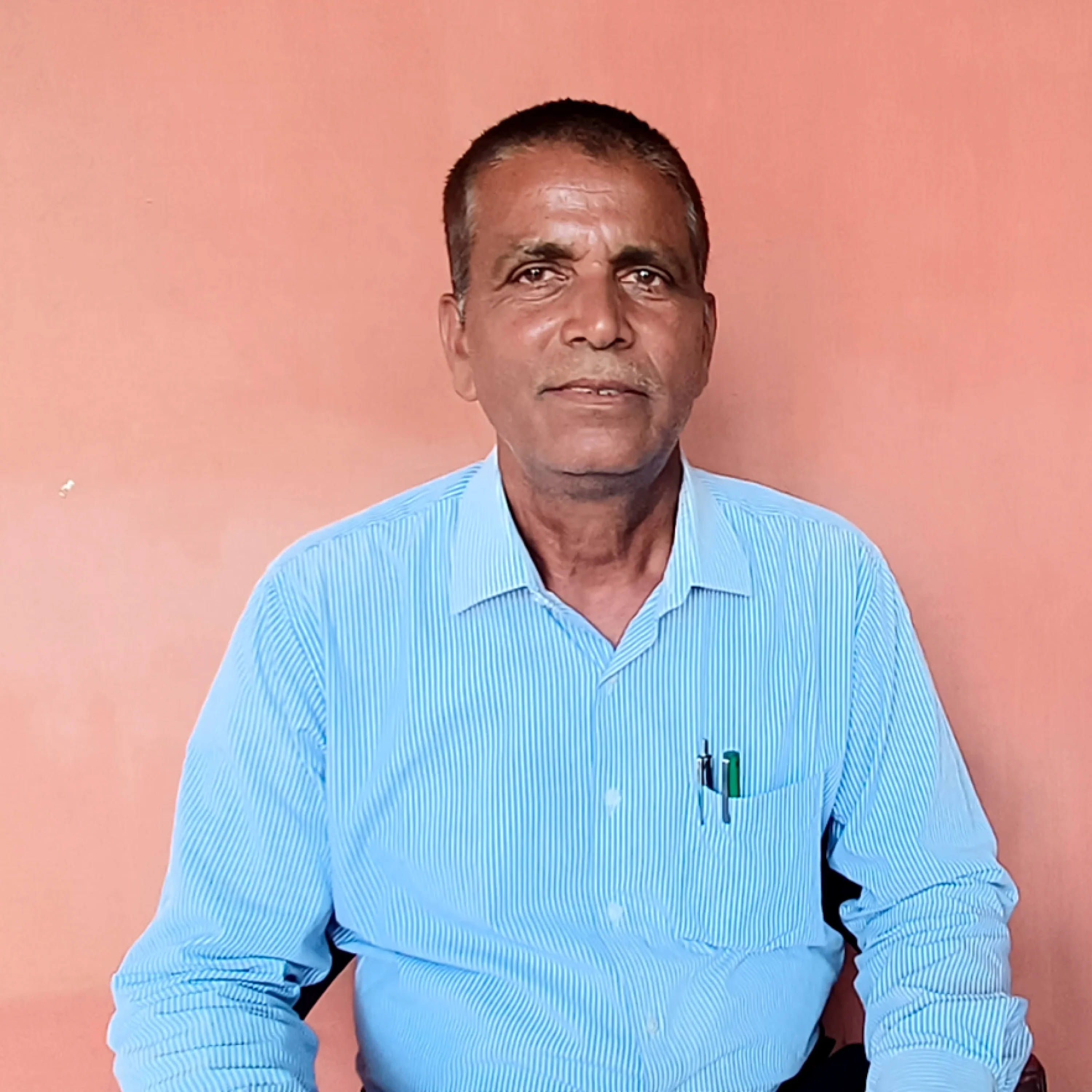
Photo of Dr. Shiv Prasad Yadav, advisor for Khamaaj

Dr. Shiv Prasad Yadav

Dr. Shiv Prasad Yadav

Prof. (Dr.) Shiv Prasad Yadav was born on January 31, 1960, in Devipur village, Supaul district, Bihar. He served as the Principal and Head of the Department of Maithili at Marwari College, Bhagalpur—an affiliated unit of Tilka Manjhi Bhagalpur University. Even after retirement, he remains actively engaged in the fields of Maithili language, literature, and folk culture. Dr. Yadav is a profound scholar, an explorer of folk epics, an accomplished translator, a skilled editor, a patient critic, and a sensitive poet. The central aim of his writing and research has been to bring folk traditions, social consciousness, and cultural identity into the sphere of academic discourse. His major works include Yug Prabha (poetry collection, Shekhar Prakashan, Patna, 2014), Maithili Dalit Lokgatha aur Sanskriti Alochana (edited volume, Sahitya Akademi, New Delhi, 2015), E Rajdhani (translated story collection, Sahitya Akademi, New Delhi, 2012), and Jyoti Mahagatha (Sahitya Akademi, 2019), which are especially noteworthy. He has also edited renowned Maithili journals such as Malini and Mithi Malini. To date, more than 35 of his research papers and essays have been published by reputed institutions such as Chetna Samiti (Patna), Sahitya Akademi (New Delhi), and other prominent publications. He is a life member of Chetna Samiti, Patna; Karna Goshthi, Kolkata; and Mithila Parishad, Bhagalpur, and has also served as a member of the Maithili Academy, Patna.

Read More
Prof. (Dr.) Shiv Prasad Yadav was born on January 31, 1960, in Devipur village, Supaul district, Bihar. He served as the Principal and Head of the Department of Maithili at Marwari College, Bhagalpur—an affiliated unit of Tilka Manjhi Bhagalpur University. Even after retirement, he remains actively engaged in the fields of Maithili language, literature, and folk culture. Dr. Yadav is a profound scholar, an explorer of folk epics, an accomplished translator, a skilled editor, a patient critic, and a sensitive poet. The central aim of his writing and research has been to bring folk traditions, social consciousness, and cultural identity into the sphere of academic discourse. His major works include Yug Prabha (poetry collection, Shekhar Prakashan, Patna, 2014), Maithili Dalit Lokgatha aur Sanskriti Alochana (edited volume, Sahitya Akademi, New Delhi, 2015), E Rajdhani (translated story collection, Sahitya Akademi, New Delhi, 2012), and Jyoti Mahagatha (Sahitya Akademi, 2019), which are especially noteworthy. He has also edited renowned Maithili journals such as Malini and Mithi Malini. To date, more than 35 of his research papers and essays have been published by reputed institutions such as Chetna Samiti (Patna), Sahitya Akademi (New Delhi), and other prominent publications. He is a life member of Chetna Samiti, Patna; Karna Goshthi, Kolkata; and Mithila Parishad, Bhagalpur, and has also served as a member of the Maithili Academy, Patna.

Read More

Prof. (Dr.) Shiv Prasad Yadav was born on January 31, 1960, in Devipur village, Supaul district, Bihar. He served as the Principal and Head of the Department of Maithili at Marwari College, Bhagalpur—an affiliated unit of Tilka Manjhi Bhagalpur University. Even after retirement, he remains actively engaged in the fields of Maithili language, literature, and folk culture. Dr. Yadav is a profound scholar, an explorer of folk epics, an accomplished translator, a skilled editor, a patient critic, and a sensitive poet. The central aim of his writing and research has been to bring folk traditions, social consciousness, and cultural identity into the sphere of academic discourse. His major works include Yug Prabha (poetry collection, Shekhar Prakashan, Patna, 2014), Maithili Dalit Lokgatha aur Sanskriti Alochana (edited volume, Sahitya Akademi, New Delhi, 2015), E Rajdhani (translated story collection, Sahitya Akademi, New Delhi, 2012), and Jyoti Mahagatha (Sahitya Akademi, 2019), which are especially noteworthy. He has also edited renowned Maithili journals such as Malini and Mithi Malini. To date, more than 35 of his research papers and essays have been published by reputed institutions such as Chetna Samiti (Patna), Sahitya Akademi (New Delhi), and other prominent publications. He is a life member of Chetna Samiti, Patna; Karna Goshthi, Kolkata; and Mithila Parishad, Bhagalpur, and has also served as a member of the Maithili Academy, Patna.

Read More

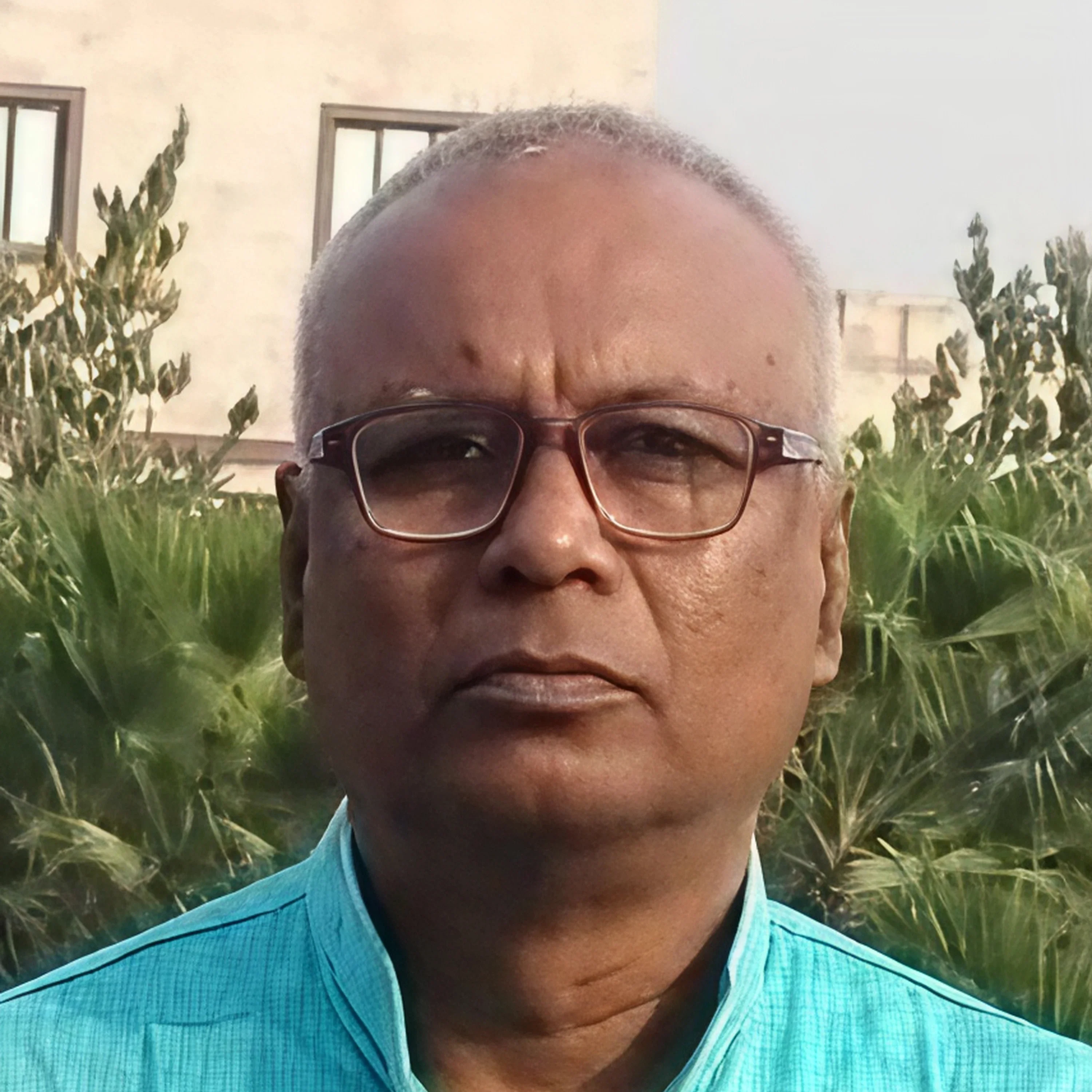
Photo of Dr. Mahendra Narayan Ram, advisor for Khamaaj

Dr. Mahendra Narayan Ram

Dr. Mahendra Narayan Ram

Dr. Mahendra Narayan Ram is a respected folklorist, writer, and cultural historian from Bihar, widely known for his deep engagement with the oral traditions, folk literature, and lived histories of marginalized communities in the Mithila region. With a strong foundation in both fieldwork and literary analysis, Dr. Ram has authored over a dozen books and has also edited and contributed to several compilations. His major works include Karikh Lokgatha, Salhesh Lokgatha, Bhao Bhagait Gahbar Geet, Dinabhadri Lokgatha, Dusadh Jati ka Vrihat Itihas, Maithili Lokvrit: Bindu aur Vistaar, Lok Kavya Kusum, Damini, Maithili Lok-Sahityak Itihas, Mantodiya, Lokanjan, Dalit Darshan, Mithilak Sangharsh Doot: Dr. Baidyanath Chaudhary ‘Baiju’, Jena Janliyani, Lok Sandarbh, Lok Darshan, and Bharatiya Sanskriti mein Jatiya Jeevan. His stories, poems, and essays continue to be published in various literary magazines and academic journals. He has served as Chairperson of the Maithili Academy, been a member of the Sahitya Akademi, and held prestigious positions in several government and non-government institutions. Dr. Ram has been honored with many awards, including the Mithila Vibhuti, Maithilishri, Mithila Shiromani, and Mithila Ratna, among others. He remains a leading voice in the preservation of folk knowledge and Dalit literary traditions in India.

Read More
Dr. Mahendra Narayan Ram is a respected folklorist, writer, and cultural historian from Bihar, widely known for his deep engagement with the oral traditions, folk literature, and lived histories of marginalized communities in the Mithila region. With a strong foundation in both fieldwork and literary analysis, Dr. Ram has authored over a dozen books and has also edited and contributed to several compilations. His major works include Karikh Lokgatha, Salhesh Lokgatha, Bhao Bhagait Gahbar Geet, Dinabhadri Lokgatha, Dusadh Jati ka Vrihat Itihas, Maithili Lokvrit: Bindu aur Vistaar, Lok Kavya Kusum, Damini, Maithili Lok-Sahityak Itihas, Mantodiya, Lokanjan, Dalit Darshan, Mithilak Sangharsh Doot: Dr. Baidyanath Chaudhary ‘Baiju’, Jena Janliyani, Lok Sandarbh, Lok Darshan, and Bharatiya Sanskriti mein Jatiya Jeevan. His stories, poems, and essays continue to be published in various literary magazines and academic journals. He has served as Chairperson of the Maithili Academy, been a member of the Sahitya Akademi, and held prestigious positions in several government and non-government institutions. Dr. Ram has been honored with many awards, including the Mithila Vibhuti, Maithilishri, Mithila Shiromani, and Mithila Ratna, among others. He remains a leading voice in the preservation of folk knowledge and Dalit literary traditions in India.

Read More

Dr. Mahendra Narayan Ram is a respected folklorist, writer, and cultural historian from Bihar, widely known for his deep engagement with the oral traditions, folk literature, and lived histories of marginalized communities in the Mithila region. With a strong foundation in both fieldwork and literary analysis, Dr. Ram has authored over a dozen books and has also edited and contributed to several compilations. His major works include Karikh Lokgatha, Salhesh Lokgatha, Bhao Bhagait Gahbar Geet, Dinabhadri Lokgatha, Dusadh Jati ka Vrihat Itihas, Maithili Lokvrit: Bindu aur Vistaar, Lok Kavya Kusum, Damini, Maithili Lok-Sahityak Itihas, Mantodiya, Lokanjan, Dalit Darshan, Mithilak Sangharsh Doot: Dr. Baidyanath Chaudhary ‘Baiju’, Jena Janliyani, Lok Sandarbh, Lok Darshan, and Bharatiya Sanskriti mein Jatiya Jeevan. His stories, poems, and essays continue to be published in various literary magazines and academic journals. He has served as Chairperson of the Maithili Academy, been a member of the Sahitya Akademi, and held prestigious positions in several government and non-government institutions. Dr. Ram has been honored with many awards, including the Mithila Vibhuti, Maithilishri, Mithila Shiromani, and Mithila Ratna, among others. He remains a leading voice in the preservation of folk knowledge and Dalit literary traditions in India.

Read More

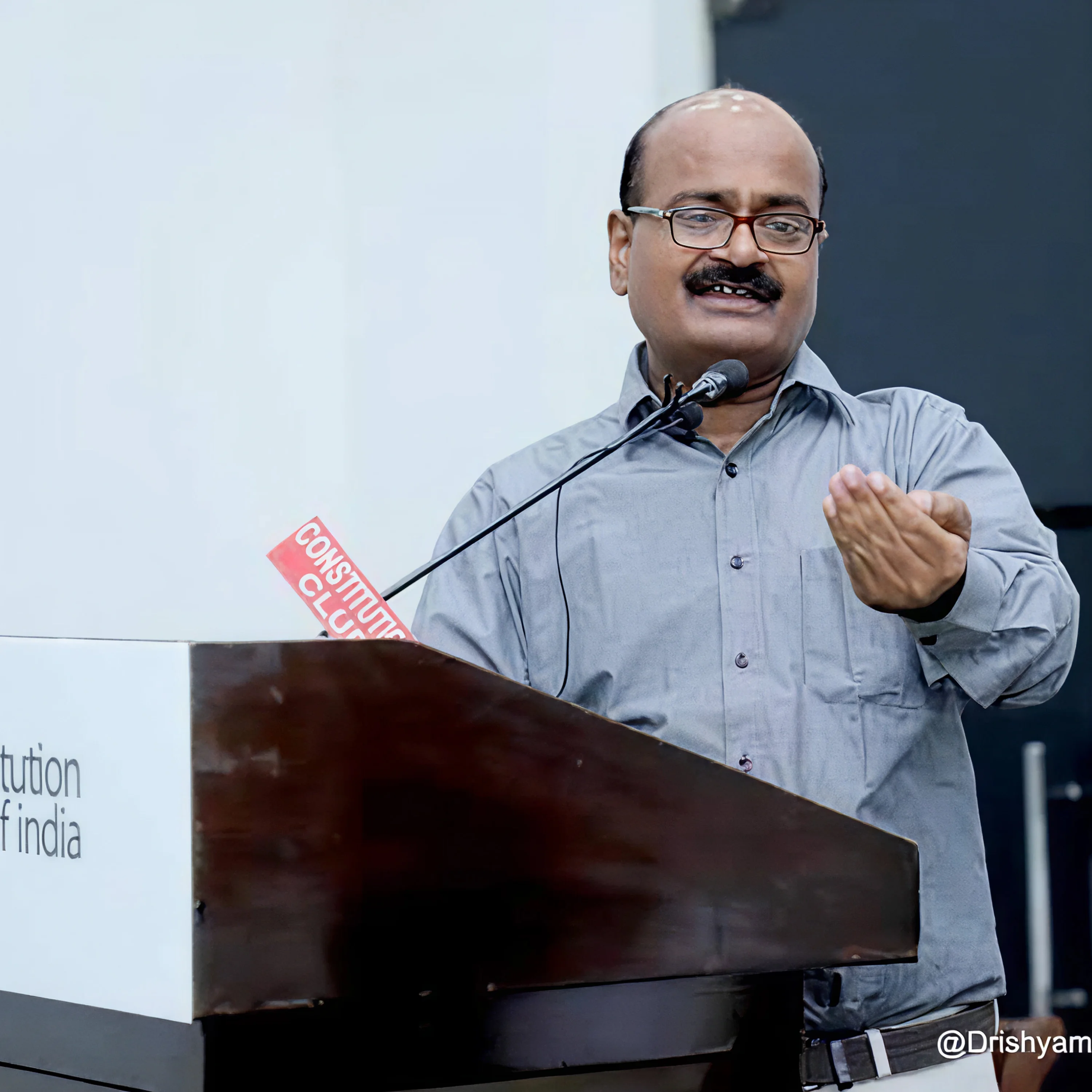
Photo of Dr Kailash Kumar Mishra, advisor for Khamaaj

Dr Kailash Kumar Mishra

Dr Kailash Kumar Mishra

Dr. Kailash Kumar Mishra was born on 8 February 1967. He is a distinguished social anthropologist, actively engaged in the fields of folk life, popular culture, art, and human rights. His academic qualifications include a Ph.D. in Social Anthropology, an M.A. in Human Rights, and Diploma in Public Administration and Art Appreciation. Dr. Mishra has conducted research with several important national and international institutions and projects. He has served as a Research Officer with South–South Solidarity (Canada), the Ministry of Health and Family Welfare, and the Indira Gandhi National Centre for the Arts (IGNCA).In addition, he has worked on numerous cultural and policy projects with organizations such as UNESCO, UNDP, READ Global, Lalit Kala Akademi, and the Maithili–Bhojpuri Academy (Government of Delhi). He has also been associated with the World Bank (IPPS), Guru Gobind Singh Indraprastha University, and Road Connect, where he contributed as a founding director. His areas of work deeply engage with Indian tribal societies, folk life, folk art, the culture of Northeast India, and human rights studies. He has conducted extensive research on India’s diverse tribal and folk traditions. Dr. Mishra is the Founder Director of “FolkBrain,” an organization dedicated to documenting, preserving, and promoting India’s diverse folk cultures and creative traditions. Through this initiative, he strives to provide folk artists and communities with new opportunities for knowledge sharing, dialogue, and livelihood.

Read More

Dr. Kailash Kumar Mishra was born on 8 February 1967. He is a distinguished social anthropologist, actively engaged in the fields of folk life, popular culture, art, and human rights. His academic qualifications include a Ph.D. in Social Anthropology, an M.A. in Human Rights, and Diploma in Public Administration and Art Appreciation. Dr. Mishra has conducted research with several important national and international institutions and projects. He has served as a Research Officer with South–South Solidarity (Canada), the Ministry of Health and Family Welfare, and the Indira Gandhi National Centre for the Arts (IGNCA).In addition, he has worked on numerous cultural and policy projects with organizations such as UNESCO, UNDP, READ Global, Lalit Kala Akademi, and the Maithili–Bhojpuri Academy (Government of Delhi). He has also been associated with the World Bank (IPPS), Guru Gobind Singh Indraprastha University, and Road Connect, where he contributed as a founding director. His areas of work deeply engage with Indian tribal societies, folk life, folk art, the culture of Northeast India, and human rights studies. He has conducted extensive research on India’s diverse tribal and folk traditions. Dr. Mishra is the Founder Director of “FolkBrain,” an organization dedicated to documenting, preserving, and promoting India’s diverse folk cultures and creative traditions. Through this initiative, he strives to provide folk artists and communities with new opportunities for knowledge sharing, dialogue, and livelihood.

Read More

Dr. Kailash Kumar Mishra was born on 8 February 1967. He is a distinguished social anthropologist, actively engaged in the fields of folk life, popular culture, art, and human rights. His academic qualifications include a Ph.D. in Social Anthropology, an M.A. in Human Rights, and Diploma in Public Administration and Art Appreciation. Dr. Mishra has conducted research with several important national and international institutions and projects. He has served as a Research Officer with South–South Solidarity (Canada), the Ministry of Health and Family Welfare, and the Indira Gandhi National Centre for the Arts (IGNCA).In addition, he has worked on numerous cultural and policy projects with organizations such as UNESCO, UNDP, READ Global, Lalit Kala Akademi, and the Maithili–Bhojpuri Academy (Government of Delhi). He has also been associated with the World Bank (IPPS), Guru Gobind Singh Indraprastha University, and Road Connect, where he contributed as a founding director. His areas of work deeply engage with Indian tribal societies, folk life, folk art, the culture of Northeast India, and human rights studies. He has conducted extensive research on India’s diverse tribal and folk traditions. Dr. Mishra is the Founder Director of “FolkBrain,” an organization dedicated to documenting, preserving, and promoting India’s diverse folk cultures and creative traditions. Through this initiative, he strives to provide folk artists and communities with new opportunities for knowledge sharing, dialogue, and livelihood.

Read More

Supporters

Coming Soon

Khamaaj Brand logo in White

India's Living Songbook

Search for songs or artists

Copyright © Khamaaj Foundation
All Rights Reserved
Terms and Conditions | Privacy Policy

Developed and Designed by
DopeSoul Studio

Khamaaj Brand logo in White

India's Living Songbook

Search for songs or artists

Copyright © Khamaaj Foundation | All Rights Reserved
Terms and Conditions | Privacy Policy

Developed and Designed by DopeSoul Studio

Khamaaj Brand logo in White

India's Living Songbook

Search for songs or artists

Copyright © Khamaaj Foundation | All Rights Reserved
Terms and Conditions | Privacy Policy

Developed and Designed by DopeSoul Studio

Khamaaj brand logo in brand rust orange color
English
Khamaaj brand logo in brand rust orange color
English
Khamaaj brand logo in brand rust orange color
English